
Back Britain by buying British
Globalisation has brought the world closer together. Yet at the same time it has made it harder for Brits to buy British goods due to the competition with cheaper options from abroad…


Globalisation has brought the world closer together. Yet at the same time it has made it harder for Brits to buy British goods due to the competition with cheaper options from abroad…
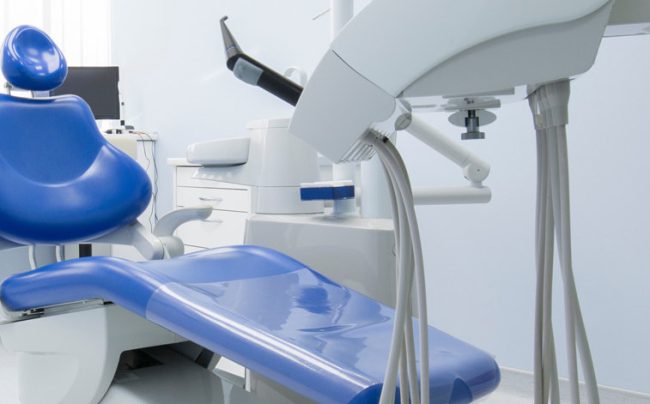
Laura Yates, Senior Technical Manager at Getinge’s Centre of Excellence for Chemistry, discusses the potential risk of infection caused by microbial contamination and biofilm formation in dental unit water lines (DUWLs). The main purpose of DUWLs is to supply water for instruments connected to the dental chair unit, including ultrasonic scalers, ‘three-in-one’ air/water syringes, high-speed…
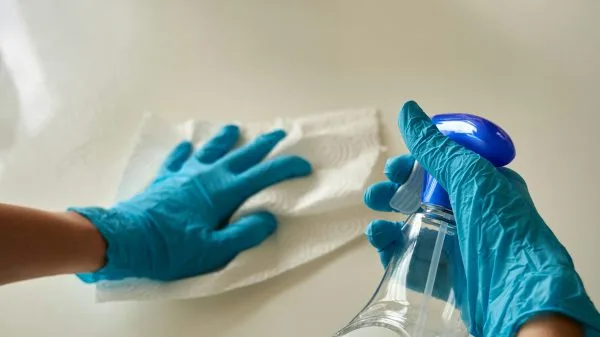
Effective decontamination is the foundation of every safe and successful dental practice. High standards must be maintained by all members of the team in order to prevent pathogenic transmission and protect both colleagues and patients from potential harm…
Considering its role in eliminating coronaviruses, it may surprise that hypochlorous acid is naturally created in the body. Neutrophils, the most common type of white blood cell, attack invading pathogens and produce the acid in response to injury and infection…
Hypochlorous acid emerged in the pandemic years as a reliable solution for fighting enveloped viruses, like Covid-19. More recently, the acid has sidestepped into the dermatology industry, with social media trends encouraging the use of it to treat skin conditions like acne…
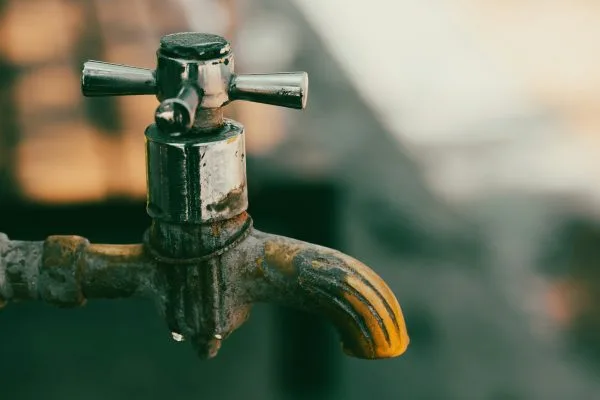
Snaking in and around dental chairs, dental unit waterlines (DUWLs) are the arteries of every practice, delivering essential water to handpieces and scalers and enabling a consistent number of patients to be treated every day. Because of their importance, diligent maintenance is required to keep them functional – and safe…
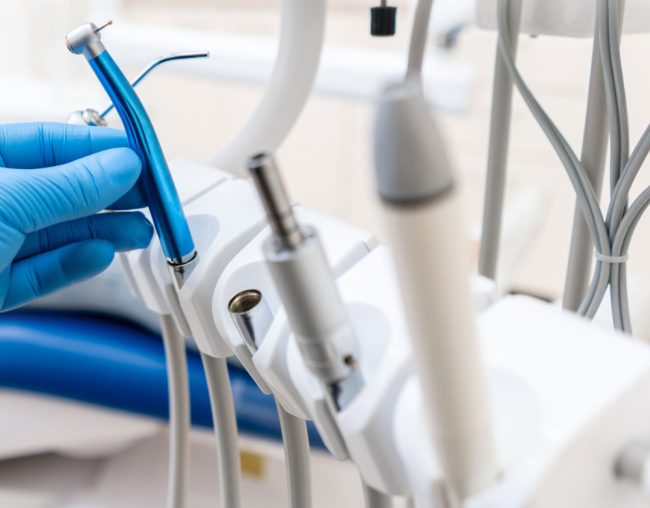
Microbial contamination in DUWLs may originate from both waterborne pathogens but also germs from a patient’s oral cavity due to the suck-back of saliva…
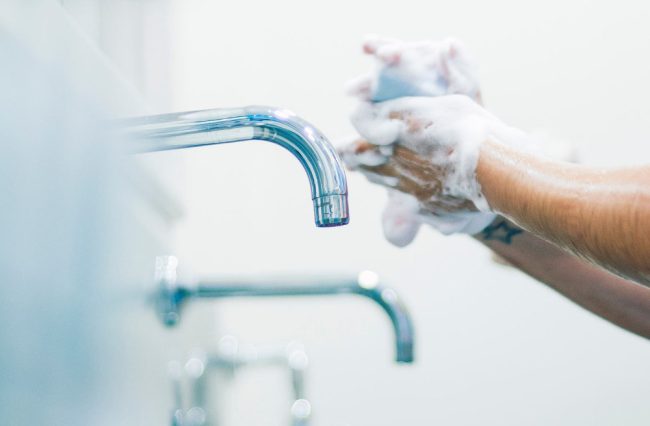
Since the early 19th century, handwashing has been one of the most important practices to reduce infection transmission in healthcare settings. For dental professionals, the exposure to bodily fluids like saliva and blood carries a risk of infection. Knowing the how and why of hand hygiene helps reduce this risk…
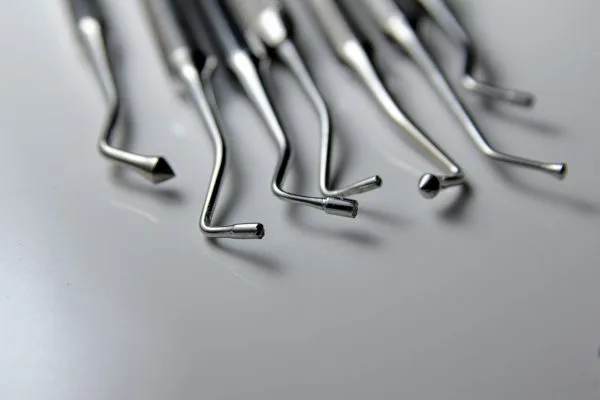
Dental instruments have an affinity for acquiring debris and potentially pathogenic particles. This includes, but is not limited to, saliva, blood, plaque, soft tissue, and restorative materials such as cement or filling debris. Each is made from or can carry harmful microorganisms that, when transferred from patient to practitioner to another patient, can lead to…
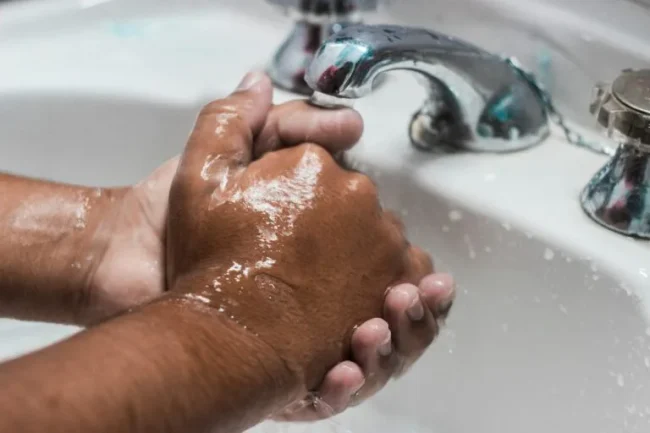
Handwashing should be second nature – but this may not always be the case. A 2025 study found that, in hospitals, nearly 45% of bathroom users failed to carry out hand hygiene, with non-compliance peaking at 61.8% in some weeks. This shows that for both patient or healthcare practitioner, reminders are needed to keep hands…